


The ABLE and FASE[1] Delegation’s visit to Vietnam from July 30 to August 7, 2026, took place at a particularly meaningful time, marking the 65th anniversary of the Agent Orange Disaster (1961–2026). The delegation included Ms. Rubina Qureshi, President of ABLE International; Mr. Keith Miller, President of FASE; Mr. Ben Hasle, President of Detox Academy; and Mr. Joey Gatton, Executive Director of ABLE USA. From Ho Chi Minh City and Da Nang to Hanoi, Hung Yen, and Ninh Binh, the Delegation traveled through places bearing the scars of war, meeting victims and the people who work every day to help heal its lasting consequences. Some stories need no translation, because human pain speaks a universal language.
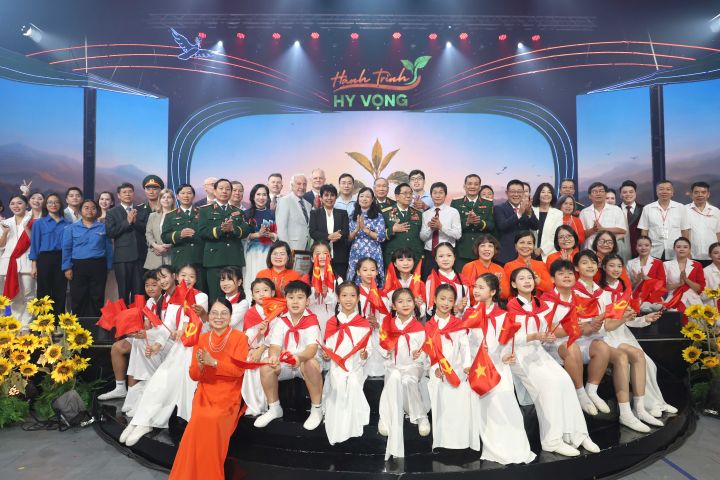
And on the morning of August 4 in Hanoi, that story continued through “Journey of Hope,” a live television program commemorating the 65th anniversary of the Agent Orange Disaster in Vietnam.

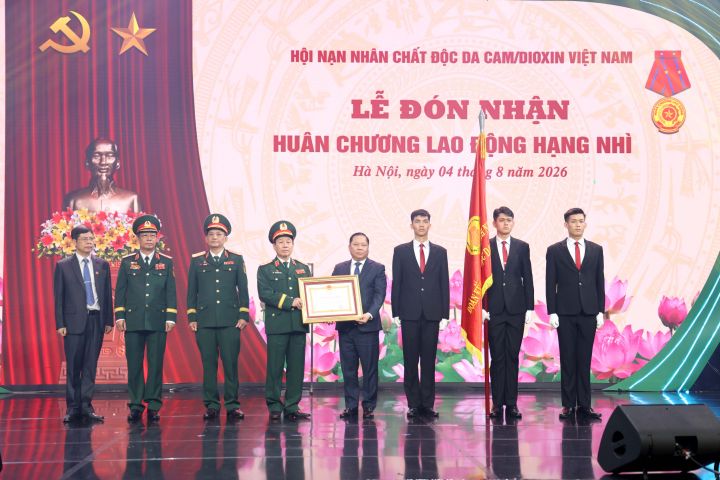
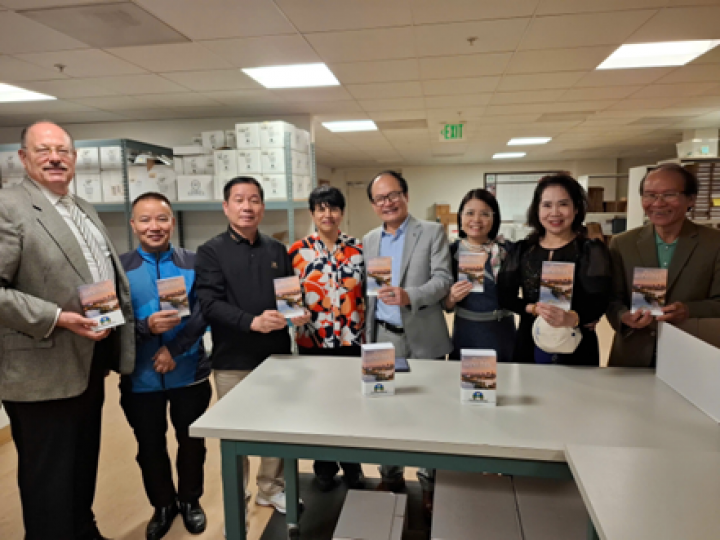
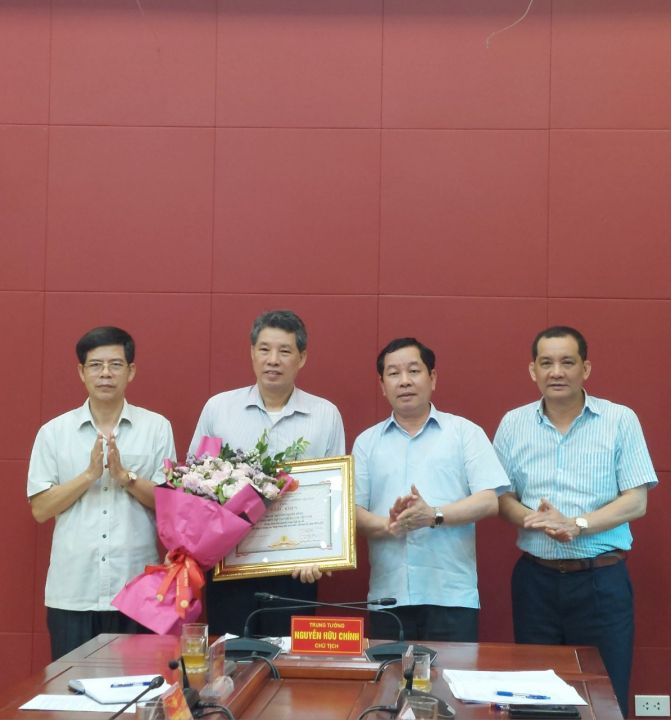
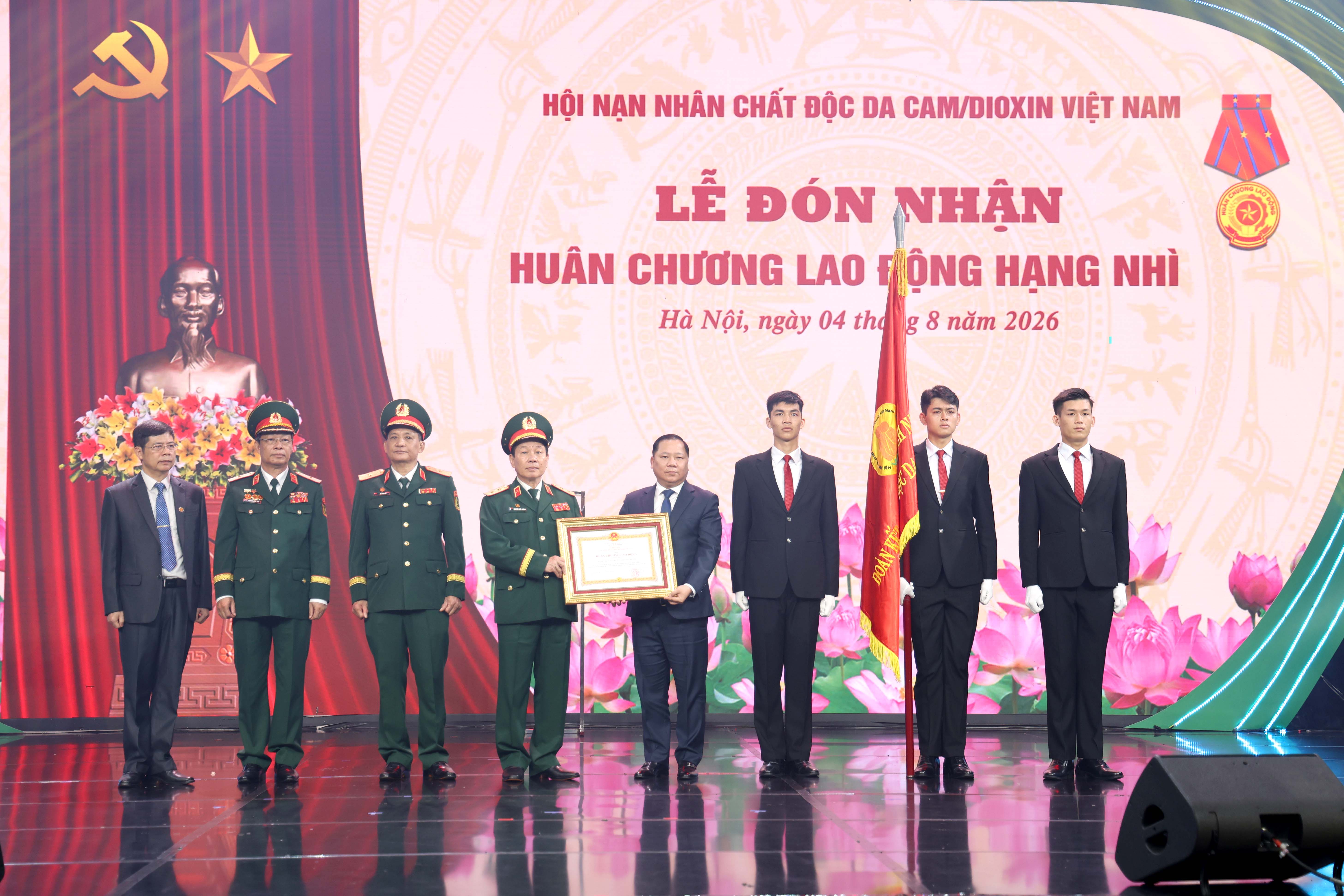
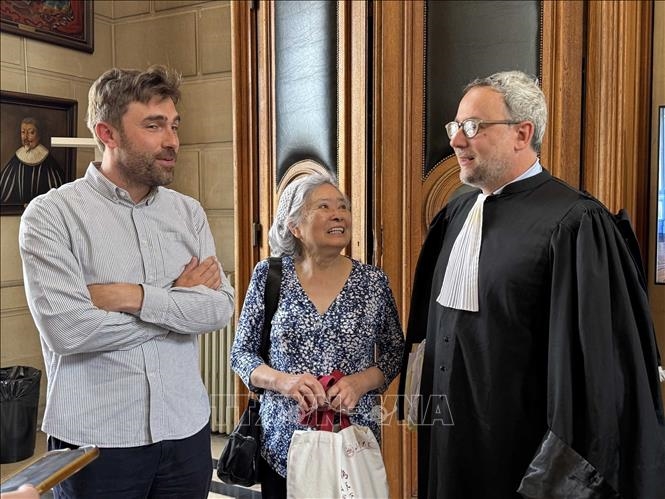
 The ABLE and FASE Delegation attending and taking a commemorative photograph following the Ceremony Honoring the Second-Class Labor Medal and the “Journey of Hope” Artistic exchange program marking the 65th anniversary of the Agent Orange Disaster in Vietnam, at Military Television in Hanoi.
Before the afternoon meeting with VAVA Leadership on August 4, Ms. Rubina Qureshi asked to share her impressions of “Journey of Hope.”: No interpreter was needed, yet she understood and was deeply moved. The images, the eyes, and the emotions on stage said everything.
For those of us who have spent many years advocating for justice and caring for Agent Orange victims, her words were truly heartwarming. What we hope for most is not simply for our international friends to hear about the suffering, but for them to one day see it, listen to it, and feel it for themselves.
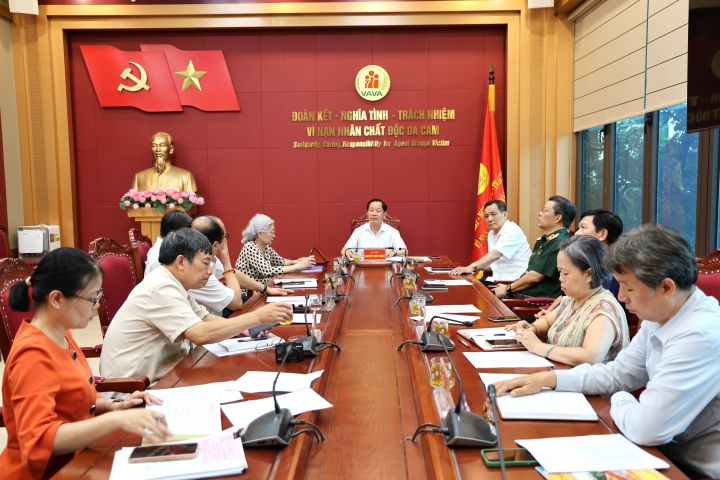
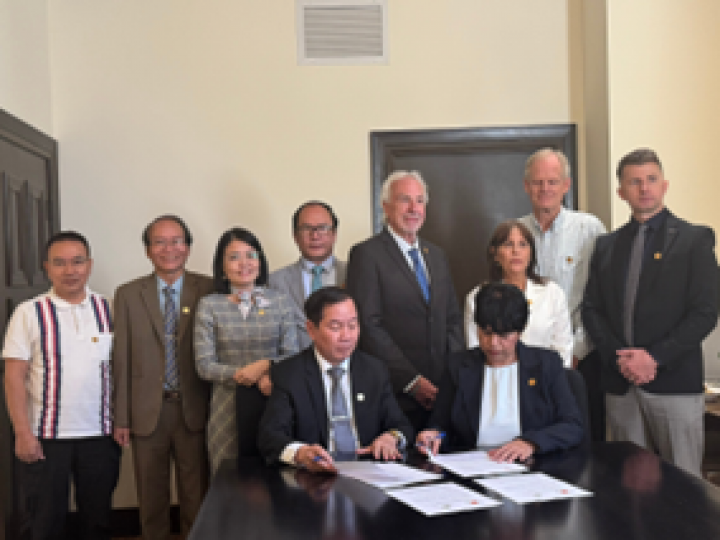
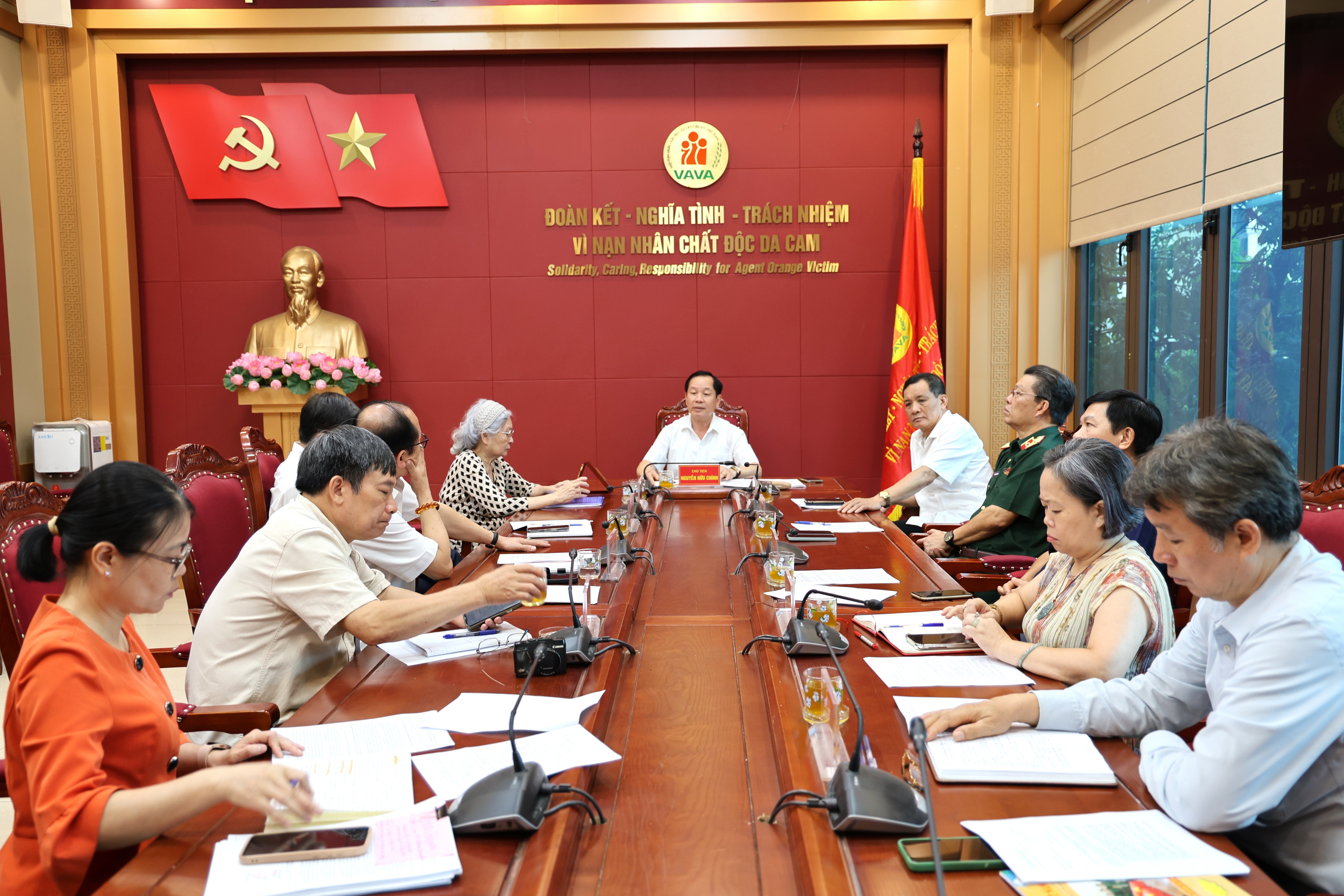
 The ABLE and FASE delegation in a working meeting with VAVA National in Hanoi.
From those emotions, the afternoon meeting on August 4 moved toward concrete issues. VAVA, ABLE and FASE discussed areas of cooperation, including the idea of organizing an International Conference on Detoxification for Agent Orange/Dioxin Victims, as well as exploring issues related to healthcare, nutrition, and vitamins in supporting victims at centers.
Seeing the Quiet Work
On August 5, the Delegation visited the VAVA National Social Protection Center, where they visited the Detoxification Center, discussed the detoxification program, including further training and support for the medical staff to provide the best possible care for the victims. The Delegation then continued to the Ao Vua Health Care Center, where they learned more about healthcare programs for veterans who are victims of Agent Orange and discussed the need for additional equipment for the center.
 The ABLE and FASE Delegation working with the Detoxification Center and the Social Protection Center for Vietnamese Agent Orange/Dioxin Victims in Thach That, Hanoi.
If the pain of Agent Orange was told through individual stories on the television stage, at the centers the Delegation saw the people who quietly care for and support victims every day. Behind the rooms, equipment, and healthcare methods is a long and sustained effort by the staff, doctors, nurses and healthcare workers who have accompanied victims for many years.
A Very Vietnamese Day
On August 6, the Delegation visited the hometown of the VAVA President, explored the Tam Chuc complex, shared a meal with his family, and then continued on to Hung Yen.
This was Ben’s first trip to Vietnam. He shared that meeting the VAVA team in person at Hung Yen was an honor, praising “their dedication to helping the participants is so admirable.” What stayed with him were also the simple and joyful moments: “Enjoying custard apples and coconut juice was so fun and delicious—wow and thank you.” He was captivated by Tam Chuc, describing the Buddhist complex as “absolutely stunning,” adding, “I loved the art of the lantern hall, the grandeur of the many structures and statues. And I love my new hat!” He also remembered the delicious food, the kindness of the restaurant staff, and “the mountains, the lotus ponds, rice fields, villages and rural life,” which, he said, “gave the perfect balance to the big city sights.” Perhaps these are the memories that make a first journey truly personal—not only the places he visited, but the people he met, the kindness he received, and the simple moments he will carry with him from Vietnam.
That afternoon, the Delegation visited the Thai Binh Detoxification Center, now in Hung Yen Province, to learn about detoxification practices, meet doctors and nurses, and exchange views with the staff working directly at the center. The continuing effects of Agent Orange were seen through the lives of real people and in the persistent work of those who accompany and help victims every day. The discussions on detoxification, healthcare, rehabilitation, and scientific research therefore went beyond addressing immediate needs. They were steps toward addressing the consequences of war, building trust, and looking toward the future.

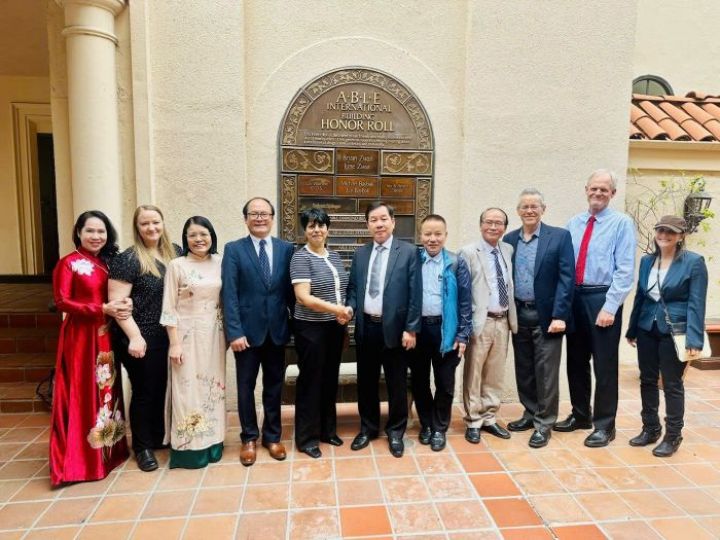
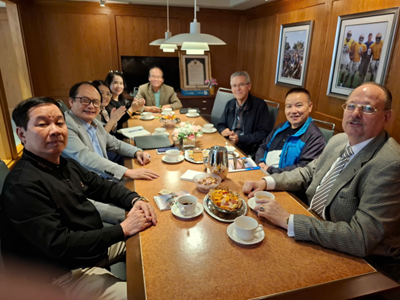
The ABLE and FASE Delegation with VAVA Hung Yen and the Hung Yen Detoxification Center following their working session and visit to the Center (former Thai Binh Province).
From the South to Central Vietnam, Then North
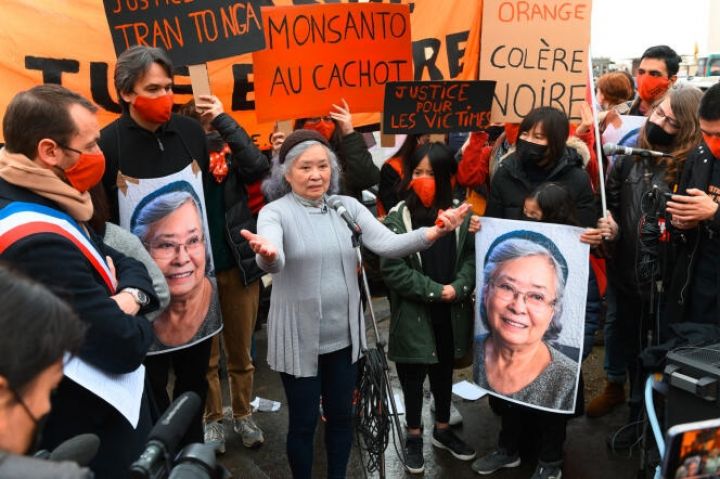
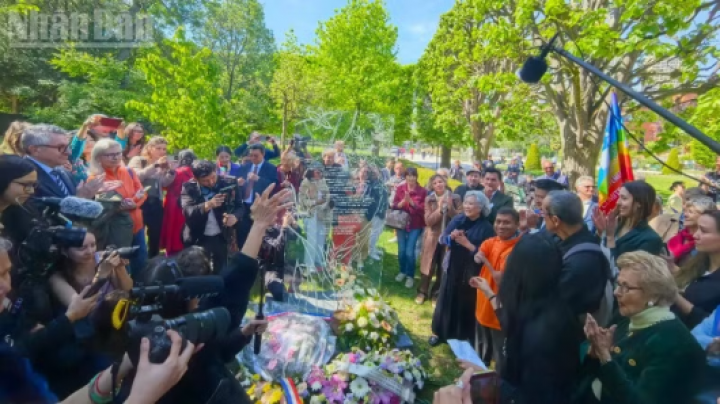
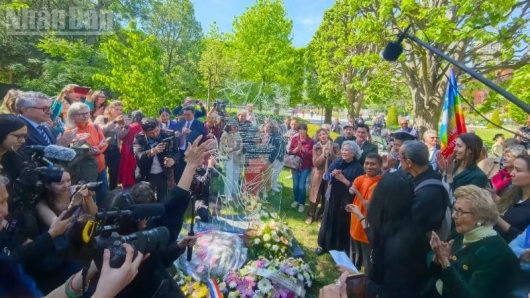
Before the Northern program, from July 30 to August 2, the Delegation took part in a series of activities in Ho Chi Minh City, most notably the solidarity walk marking the 65th anniversary of the Agent Orange Disaster, with more than 5,000 people participating in support of Agent Orange victims. On August 3, the delegation continued to Da Nang, where they worked with VAVA Da Nang and visited and interacted with victims at the centers.
 The ABLE and FASE Delegation participating in the “Walk in Solidarity for Agent Orange Victims” Program in Ho Chi Minh City. (the photo on the right from VNA)
From the South to Central Vietnam and then to the North, the journey gave our American friends an opportunity to see many different dimensions of a story that did not belong only to the past. Each destination offered another perspective on the consequences of war and Vietnam’s continuing efforts to address them.  The ABLE/FASE Delegation working with the Da Nang City Day Care Center for Victims of AO No.3 and taking commemorative photos after working and visiting the Detoxification Center.
Perhaps the most valuable part of the journey was not the number of meetings held or the number of places the Delegation visited, but the deeply human moments along the way. Rubina was moved by the stories of the victims and shared her feelings just before the working session. Keith continued exploring new directions for scientific cooperation with VAVA. Joey took with him his first experiences of Vietnam, a deep appreciation for the people he met, and the friendships that grew along the way. Ben carried home simple memories of the people he met and the countryside he traveled through.
Four people, four different impressions, yet they shared one common ground: their concern for Agent Orange victims who continue to live with the consequences of war, and their belief that friendship between people can be transformed into concrete action.
Que Luong TRAN,
International Relations and Science Department,
The Vietnam Association for Victims of Agent Orange/Dioxin
[1] ABLE: Association for Better Living and Education
FASE: Foundation for Advancements in Science and Education

_thumb_720.jpg)
_thumb_720.jpg)


.jpg)
Comment